
Soccerphile Editorial - May 2013
Harry Redknapp's Spending Fails To Save QPR
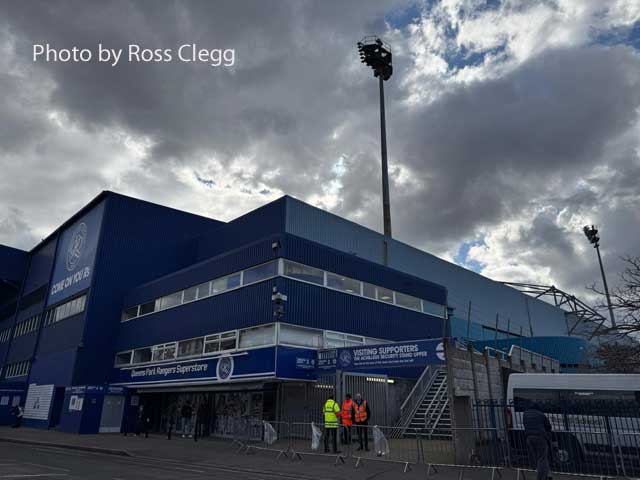
Harry Redknapp was not the first manager to attempt to spend his way out of relegation trouble in the Premier League, but this season he has been the latest to fall foul of the temptation to splash exorbitant amounts on players’ transfer fees and wages in a desperate bid to avoid demotion.
Transient football players and skyrocketing salaries have become the scourge of the English top flight, as demonstrated perfectly at troubled Queens Park Rangers this season.
In January, with QPR bottom of the table, Redknapp followed the path already clearly laid out by owner Tony Fernandes and previous boss Mark Hughes by lavishing millions on household names - only to see his investment go up in smoke with a disastrous run of results.
For all the bluster that managers publicly - and you can be sure agents privately - spout about purchasing guaranteed success when splashing out millions, it is becoming ever clearer that for all the advantages that high profile players offer a club, there are just as many pitfalls.
Notwithstanding the escape clauses that are written into the contracts of millionaire players if the inevitable fall out of the top division occurs, ill-discipline can also cost a club an immeasurable amount.
Despite Fernandes revealing that he has pumped £50 million of his personal fortune into the London club since he arrived in 2011, Redknapp this month offered the blunt assessment that QPR may even struggle to finish in the top half of the Championship table next season.
In fact, after finishing the season with seven losses in nine matches to languish bottom of the Premier League ladder, the former Spurs manager warned Fernandes that he may not hang around if the whole composition of the squad cannot be changed.
It is clear that for Redknapp the emphasis is on moving on a number of the overpaid and underperforming players and replacing them with those prepared to work hard and, in his words, "take a bit of pride in what they do".
Redknapp has been outwardly exasperated by the lack of professionalism shown by some of his playing staff at QPR since taking over from Hughes last November.
Jose Bosingwa was fined in December for refusing to be a substitute, while midfielder Stephane Mbia was also hit financially by the club earlier this month for his conduct on Twitter.
But aside from these headline cases, it was the constant undermining of Redknapp's leadership and lack of respect for the club that he pointed to as playing a part in QPR's limp defence of their Premier League status, revealing that some players regularly turned up late to training despite the financial consequences.
Similar indifference has also been touted as the root of Sunderland's near-miss with relegation this season by incoming manager Paulo di Canio.
The Italian's zero tolerance approach to whipping his squad into shape since taking over from Martin O'Neill has included heavy fines for lateness at planned team-meetings and penalties of up to two weeks' wages for failing to complete routine training sessions.
In one notable case, a Sunderland player was fined two weeks' wages after failing to appear for training because of food poisoning and subsequently not being able to be contacted because his phone was switched off.
With his players seemingly failing to register the seriousness with which Di Canio views ill-discipline, and with two even calling in the PFA after they were fined for relatively minor indiscretions, the Italian continued to hit the players hard.
This no-nonsense policy, which has been welcomed by the majority of players, resulted in seven fines for players ahead of the final game of the season at Tottenham, while defenders Phil Bardsley and Matt Kilgallon were both dropped after their now infamous late-night session at a casino was revealed on Twitter.
Buy tickets for soccer matches around the world