Casino Sponsors Dominate the Landscape in European Football
Several of the top football leagues in Europe continue to have strong links with the gambling industry, despite moves to restrict such partnerships in the sport.
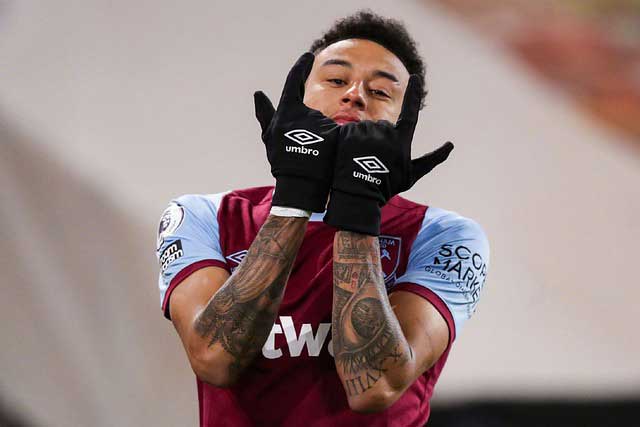
That point is hammered by the English Premier League, where seven of the 20 clubs currently have a front-of-shirt sponsorship deal with an online casino operator.
West Ham United, Aston Villa, Everton, Bournemouth, Fulham, Brentford and Burnley are the clubs in question, with the deals having an estimated annual value of around $72 million.
The sponsorships not only provide clubs with a valuable source of income, but also help casino operators grow their respective businesses due to the increased exposure they receive.
By advertising free spins no deposit offers and other promotions on club media channels, operators are able to tap into a sizeable captive audience of potential new customers.
Although front-of-shirt sponsorships with gambling companies will be banned in the Premier League from the start of the 2026/27 season, the links between the two sectors remain strong.
Recent research conducted by data analysts GlobalData into sponsorships across the top 10 leagues in Europe highlighted that the English top-flight is not alone in favouring the gambling industry.
There are 42 unique club deals with gambling firms across the competitions included in the study, almost double the next most prevalent sector - industrial goods and services (22).
While each of the leagues are at different stages of assessing their relationship with the gambling sector, many clubs appear to be in no rush to head down alternative routes.
"Based on what has already been seen in the market, we can expect teams to continue to align and sell their rights to betting brands for as long as they possibly can," GlobalData's Jake Kemp said.
"There does not seem to be a natural and obvious successor to the industry, with the rights likely to be split across multiple industries.
"The financial services and travel & tourism sectors are big investors in sports sponsorship and could be ideal replacements, but they would unlikely dominate the market in the same way that has been seen by betting brands.
"The market would have perhaps viewed the cryptocurrency sector as the big money replacement 18 months ago, but that bubble has already burst and clubs are much more aware of its unreliability."
Given football's reliance on the gambling industry for sponsorships in recent years, many clubs may naturally be concerned about what the future holds.
While anti-gambling campaigners have welcomed the ban on front-of-shirt sponsorships in the Premier League, it is worth noting betting firms can still advertise on shirt sleeves and advertising hoardings around the stadium.
Much like Heineken has remained heavily involved as a football sponsor despite a ban on alcoholic beverages being advertised on the front of shirts, it will naturally follow that gambling firms find different ways to advertise their services in the sport.
Advocates of the gambling industry argue that a blanket ban on football advertising would be disproportionate given that the vast majority of adults gamble safely.
Whether that argument holds stacks up will only be determined by studying whether the ban on front-of-shirt sponsorships makes any difference to the number of problem gamblers.
Several influential people in football have argued that forging links with alternative sponsors would not generate the same level of income as deals with the gambling industry.
While that argument undoubtedly has some merit, several lucrative industries are currently conspicuous by their absence from the professional football.
Fast-moving consumer goods, consumer electronics, clothing manufacturers and major retailers are among the sectors who may welcome fresh approaches from football clubs.
Intriguingly, not one of the clubs featured in the research has a soft drink brand as a front-of-shirt partner - a bizarre fact when considering some of the global brands operating in this sphere.
From the Premier League's perspective, the ban on gambling firms advertising on the front of shirts could be argued to present an opportunity rather than a threat.
With shirt sleeves and advertising hoardings still available to gambling brands, clubs should be able to negotiate lucrative deals with the sector.
They will also be able to increase the sectors they target as potential sponsors by offering front-of-shirt sponsorships to a wider scope of businesses.
Much like every other major sport, football clubs had little problem finding new backers when they could no longer advertise alcoholic beverages on the front of their shirts.
A partial ban on gambling advertising will give them the best of both worlds, potentially helping them garner even greater annual revenues from sponsorships.