
Seoul Guide
Seoul 서울

- population - 10.8 million.
- vibrant heart & energetic capital of the nation.
- represents the logical choice to base for a visit to Korea.
- ringed by mountains and crossed by the mighty Han River.
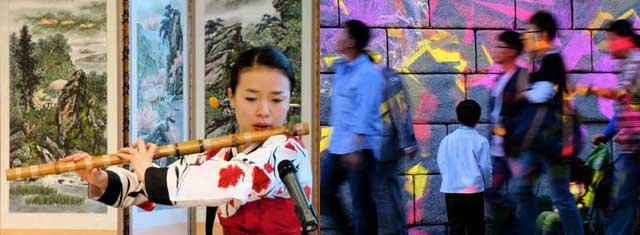
- heady mix of ultra-modern & traditional faces of Korea: ancient temples, palaces and parks along side state-of-the art shopping malls, Internet cafes and cinemas.
- well-served by comprehensive subway system & buses.
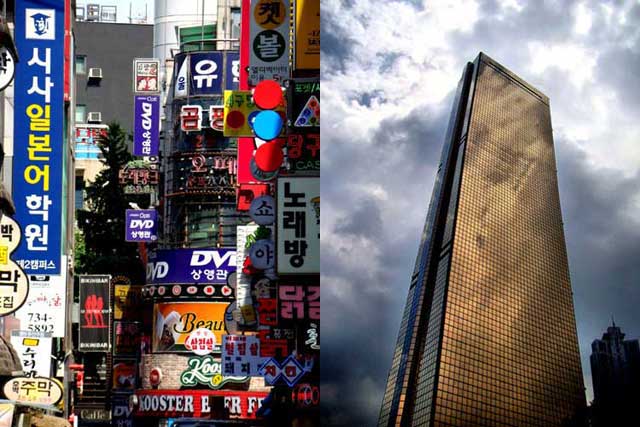
- shop, eat and sample the best night-life Korea has to offer.
Things to see and do in Seoul
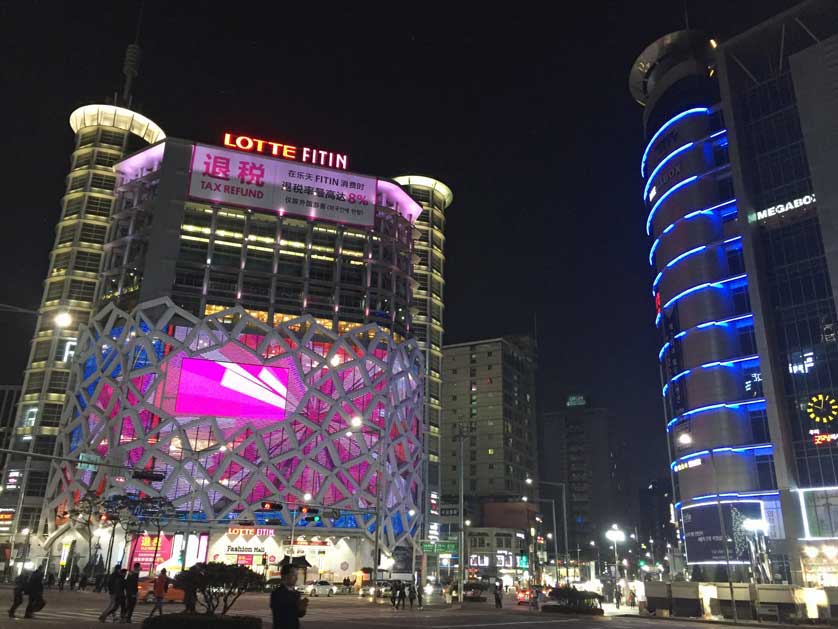
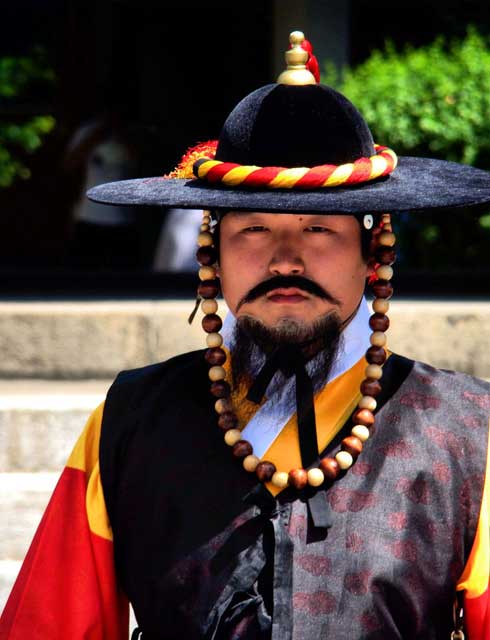
Gyeonbok Palace tour, Changgyeong Palace, Seoul Tower, DMZ tour, Dongdaemon Market, Namdaemon tour, Lotteworld Theme Park, Yongsan Electronics Market, Korean War Museum, Gyeong-dong Oriental Medicine Market, COEX Shopping & Entertainments Mall tour, Han River boat cruise.
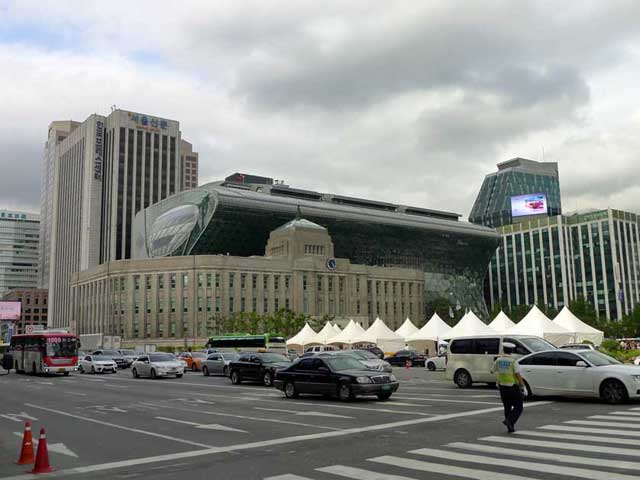
Sprawling Seoul is South Korea's undisputed cultural, economic and political center and its sheer size dwarfs any other city on the Korean peninsula.
The huge city is divided by the Han River running east-west, with the older areas located to the north in Jongno and newer developments to the south in Gangnam. Yeoui-do island - Seoul's answer to Manhattan - in the mighty Han River contains Yeouido Park, the National Assembly building, the Seoul Stock Exchange and some towering skyscrapers. Korea's national TV station the Munhwa Broadcasting Corporation (MBC) has its HQ here and Cherry Blossom Park is a pleasant place to be when the trees blossom in April.
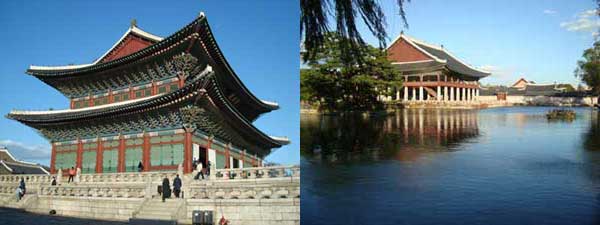

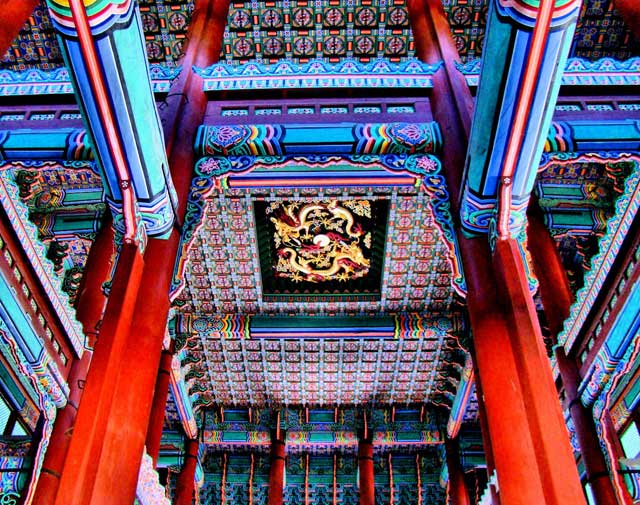
Most of Seoul's historical sites are in Jongno north of the Han River including the numerous royal palaces of the Choson Dynasty (1392-1910).
Gyeongbokgung (Gyeongkok Palace) is Seoul's main palace and dates from the 14th century. It has been severely damaged on two occasions by the invading Japanese first in 1592 and again in the Japanese colonial period from 1910-1945. The large grounds contain the Joseon Palace Museum and the Korean Folk Museum.
Access: Gyeongbokgung Subway Station.
Changdeokgung (Changdeok Palace) is a UNESCO World Heritage Site and the best preserved of Seoul's palaces. The Biwon (Secret Garden) at the back of the palace is a highlight. Access is by guided tour only with English tours at 11.30 am, 1.30 pm and 3.30 pm. Closed Mondays.
Access: Anguk Subway Station.
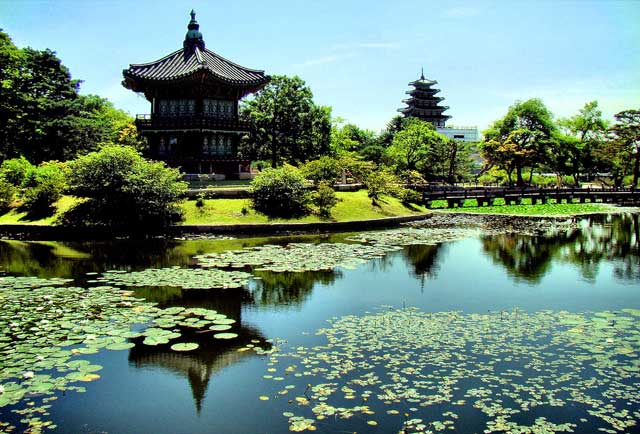
Changgyeonggung (Changgyeonggung Palace) is the best and oldest of Seoul's palaces and was the summer residence of the monarchs of the Koryo Dynasty (918-1392). It is located close to Changdeokgung.
Access: Anguk Subway Station.
Jongmyo Shrine (Chongmyo Royal Shrine) is a UNESCO World Heritage site. An ancient Confucian shrine dedicated to the ancestors of the Choson dynasty (13921910), the shrine dates from the 16th century and contains ancestral royal tablets. Ritual ceremonies of dance, music and song still take place continuing the historic traditions of the shrine.
Access: Jongno-3 Subway Station.
Namdaemun and Dongdaemun are the southern and eastern gates of the historic city of Seoul and both host lively cut-price markets, with Dongdaemun being the largest market in Korea.
Access: Namdaemun City Hall Subway Station; Dongdaemun Dongdaemun Subway Station.
Insa-dong is the place to go for antiques, art galleries and tea shops.
Access: Jonggak and Jongno 3-ga Subway Stations.
Itaewon is Seoul's most cosmopolitan district -- lots of western bars and excellent shopping.
Access: Itaewon Subway Station.
Yongsan Electronics Market is to Seoul what Akihabara is to Toyko - an electronics, software and gadgets mecca, with many of the goods originating in Japan.
Access: Yongsan Station
National Museum of Korea opened in a brand new building in Yongsan Family Park in 2005. The museum contains over 150,000 exhibits with 11,000 on display at one time. It is the largest museum in Asia and the design is inspired by a traditional Korean fortress.
Seoul has some excellent parks to escape the hustle and bustle of the city. Yongsan Family Park (see above), Mt. Namsan Park right in the center of the city, which contains a Botanical Garden and on the peak - the symbol of the city the 240m tall Seoul Tower. Olympic Park, the Han River Parks and Dosan Park are just a few of Seoul's many green spots.
Cheonggyecheon is Seoul's New Waterway - 8 km of pedestrianized river walkway in downtown Seoul, 21 bridges, old and new, running from City Hall to Dongdaemun Market. An ancient sewer once covered over with busy streets has been reopened in October 2005 to provide a relaxing stroll for present-day Seoulites. 5 minutes walk from Lotte Department Store at Euljiro 1 (il) ga Subway Station (Line 2).
Other areas of interest in Seoul are Lotte World, south of the river (Chamsil Subway Station), the world's largest indoor theme park which also includes the Lotte World Folk Museum, the Seodaemun Prison, (Dongnimmun Subway Station) now a museum to the Japanese occupation of Korea (1910-45) and the COEX Mall in Gangnam (Samseong Subway Station) which includes the Kimchi Museum in its basement.
Reach other parts of Korea quickly and easily via KTX train from Seoul Station and Yongsan Station.
Airport Access
Incheon International Airport, west of the city, now handles most international flights into Seoul. A rail link is now open linking Seoul Station with Gimpo Airport and Incheon International Airport. Trains run from Seoul Station beginning at 6 am and the fastest journey is 43 minutes non-stop. Express AREX trains run every 30 minutes. Normal trains, which operate every six minutes, take 53 minutes. Passengers can complete check in at Seoul Station.
Bus or taxi to central Seoul are the other now more expensive options. Allow about 1 hour+ to reach a downtown hotel by road.
Gimpo Airport is Seoul's old, downtown airport which now caters for domestic flights and charter flights to Tokyo. Access is by Subway Line 5. There are direct shuttle buses service between Incheon and Gimpo every 10 minutes (30 minute journey time.)
Nightlife & Eating Out in Seoul
Sinchon - student street-life area, Itaewon - in close proximity to a US base; late-night western style bars and 'Hooker Hill', Dongdaemun - night market, Hongdae (Hongik University area) trendy music clubs and bars, Gangnam - new, upmarket scene with good restaurants in this business and hotel center south of the Han River.
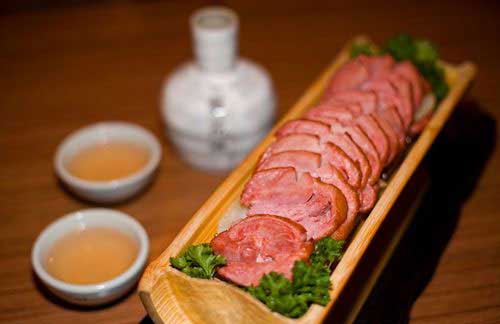
Korea has some great street food sold from roadside stalls all over the country. It's safe to eat on the street and most Koreans pop out of their offices to snack on the goodies on offer throughout the day. Department stores' food halls, especially the giant Lotte Department Store in downtown Seoul, are other good places to sample a variety of Korean cuisine.
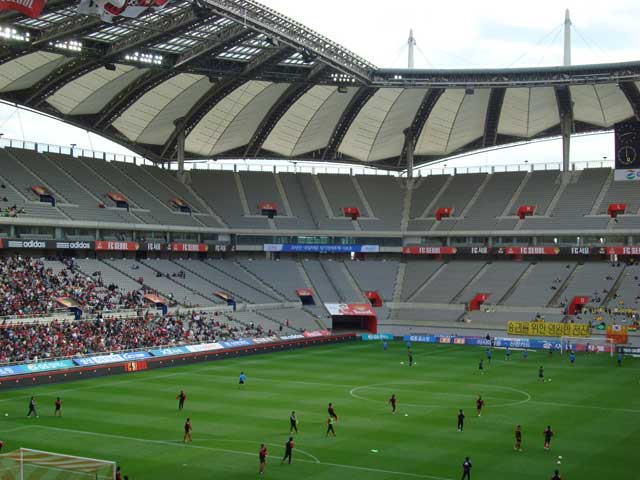
Seoul World Cup Stadium
Tel: (02) 3707 8282 more Seoul stadium info
The stadium is part of the massive Millennium redevelopment project on the Han River west of the city center, The monumental stadium incorporates a cutting-edge eco-friendly design, which utilizes gas drawn from the old Nanji-do landfill site on which it has been constructed for power and lighting the stadium at night. The pitch is 3 meters from the nearest seats, there are 2 giant state-of-the-art video screens and the spectacular roof and support masts are symbolic of a Korean kite and a Han river boat.
To reach the huge, hi-tech 63,930 capacity Seoul stadium take Subway Line 6 to the World Cup Stadium station.

Weather in Seoul
The climate of South Korea has four seasons with some of the best weather in Seoul to be had in spring from April to early June. The summer in Korea is similar to its neighbor, Japan, hot and very humid with the monsoon depositing half of the country's annual rainfall in July and August. Autumn, like spring is another pleasant time to visit Seoul, with warm and often sunny days, with low rainfall. The winter in Korea can be extremely cold and lasts from December through to March. The mildest place to head to in the winter is south to Jeju Island or enjoy winter sports at Pyeongchang.
Seoul Related Articles
Book Hotel Accommodation in Seoul
South Korea offers some excellent hotel accommodation for the visitor or business traveler ranging from deluxe Western-style Five-Star hotels in Seoul, Busan and Jeju to more traditional and inexpensive rooms in Korean Yogwan or guesthouses.
Hotels in South Korea are available for all budgets and are of good international standard. Many of the top international chains have hotels in the big cities.
Most hotels in South Korea come with rooms with free Internet access. English is usually spoken in the more top level hotels. Rooms may be slightly smaller than those found in hotels in Europe or North America.
Hotels in Korea - Booking.com
Book Hotels in Seoul - Booking.com

More on South Korea
Korea Images - photographs of both North & South.
Hotels in Korea - Booking.com
Hotels in Seoul - Booking.com
South Korea Hotels - Agoda
Seoul Hotels - Agoda
Find Hotels in Daegu - Agoda
Hotels in Busan - Agoda
Book Daegu Hotels - Booking.com
Incheon Hotels - Agoda
Book Incheon Hotels - Booking.com
Pyeongchang Hotels - Agoda
Suwon Hotels - Agoda
Search Suwon Hotels - Booking.com
Ulsan Hotels - Agoda
Uncover Ulsan Hotels - Booking.com